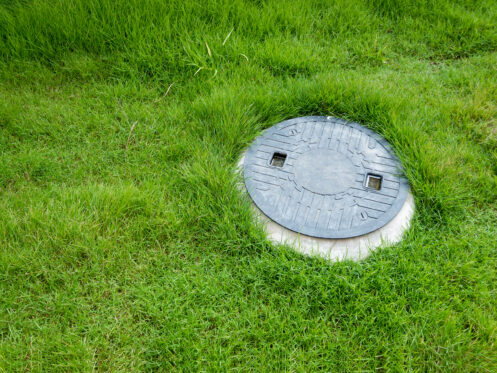
If you have a septic system for your home or business, it’s important to never go too long without having your septic tank pumped. Septic pumping can generally be done at any time of the year. However, it’s always best to schedule the service sometime between early spring and late fall instead of waiting to have it done during the winter. In this article, we’ll look at why that is, how often you should have your septic tank pumped and the importance of regular septic system pumping and maintenance.
Why It’s Better to Pump a Septic Tank During Warmer Weather
If you suddenly find yourself facing a septic emergency during winter, our plumbers will usually still be able to pump your tank. Nonetheless, winter isn’t the ideal time for septic pumping, as cold temperatures, snow and ice can pose certain challenges. For instance, frozen ground can make it more difficult to access the tank and remove the lids.
Overly muddy soil from snowmelt or too much snow and ice on the ground can prevent the pump truck from getting close enough to the tank for the hose to reach. In this case, you’ll have to wait until conditions improve. This is obviously a concern if you’re dealing with an issue like the tank backing up or overflowing, as you won’t be able to use your plumbing until you can finally get the tank pumped.
The best way to avoid the hassle of needing to have your septic tank pumped during winter is to schedule an inspection in the fall. During the inspection, the septic service will measure the level of sludge and solid waste in the tank to determine if it needs to be pumped. Our plumbers can also check for any issues that could lead to the tank or the septic line freezing over the winter.
How Often Should You Pump a Septic Tank?
You should always have your septic tank pumped when the sludge and solids take up 1/3 of the tank. For most septic systems, this means pumping the tank every three to five years. One of the main factors in how often you should schedule septic pumping services is the size of your tank.
Most septic tanks are between 1,000 and 2,000 gallons. The general rule is that a 1,000-gallon tank should be pumped every 2.5-3 years, a 1,500-gallon tank every 3.5-4 years and a 2,000-gallon tank should be pumped every 4.5-5 years. However, this rule doesn’t necessarily apply to every septic system. If you have a larger household, you may need to have your tank pumped more frequently. This is especially the case if your tank is smaller because the septic system wasn’t designed for the current size of your household.
Residential septic tanks typically need to be pumped more frequently than commercial tanks. That’s because showering, running the dishwasher and doing laundry contribute to increased sludge buildup that causes the tank to fill more quickly. Regularly using a garbage disposal increases the amount of solids that enter the tank, leading to it needing to be pumped more frequently. This is one of the primary reasons why most plumbers recommend against having a garbage disposal if the building is on a septic system.
The Importance of Proper Septic System Use
Failing to take the necessary precautions in terms of what goes into your septic tank can also lead to it needing to be pumped more frequently. One of the biggest concerns is regularly dumping bleach and other harsh chemicals down the drain. Bleach and chemicals can kill off much of the bacteria in the tank. The bacteria normally quickly break down solid waste and toilet paper into a sludge that settles to the bottom of the tank and takes up much less space than the original solids. Without a healthy bacterial colony, these solids won’t get broken down as quickly. This can lead to the tank filling up faster and needing to be pumped sooner.
Using septic-safe toilet paper, cleaning products, dishwasher soap and laundry detergent is equally important. Septic-safe products are formulated without any antibacterial agents or harsh chemicals, meaning they won’t kill the bacteria in the tank. Septic-safe toilet paper isn’t made using bleach and is thinner so that it completely breaks apart when flushed and takes up less space in the tank. Regular toilet paper usually contains bleach and takes longer to break down.
Why Septic Pumping and Inspections Are So Crucial
Septic issues can be extremely costly, and the best way to avoid them is by scheduling an annual inspection. Not only does an inspection allow you to know how full your septic tank is and if it needs to be pumped, but it can also identify other problems, such as a clogged inlet or outlet baffle or a leak in the tank. A septic leak is a major concern, as the sewage can contaminate the soil and leach into the groundwater. If either baffle is clogged, the septic system will quickly back up to the point that it results in sewage coming out of drains inside the building.
One of the biggest worries is letting your septic tank get too full. The material inside a septic tank naturally separates into four layers. When wastewater enters the tank, the solids settle and sit on the sludge layer at the bottom. Above the solids is all of the wastewater. On top of the water is a layer of scum that’s primarily made up of things like soap scum, grease and oils.
Whenever wastewater enters the tank, an equal amount of water is forced out through the outlet baffle into the drain field. The baffle sits slightly below the normal water level to ensure that none of the scum flows out into the drain field. If the layer of solid waste gets too high, some of the solids will also get flushed out into the drain field.
The drain field is made up of pipes with small holes in them. These pipes let partially treated wastewater slowly soak into the soil. Once the water enters the soil, natural bacteria break down any remaining waste. But if solid waste flows into the drain field, it can clog the small holes in the pipes. When that happens, water can’t drain properly. Over time, this causes the septic tank to fill up too much, which can lead to overflow and sewage backing up into your home.
If the drain field pipes are clogged, the only solution is to dig up the entire field and fully replace it. Depending on the type and size of the septic system and how much excavation is required, replacing the drain field can cost anywhere from $2,000 to $20,000.
If you need any assistance with your septic system, Baker & Sons Plumbing is ready to help. We’ve been serving homeowners and businesses in Marion and the surrounding areas since 1986, and our team has what it takes to ensure your septic system works properly. We offer septic pumping as well as septic repair and replacement services, and we’re committed to providing reliable, quality service every time. To schedule an inspection or an appointment to have your septic tank pumped, contact us today.