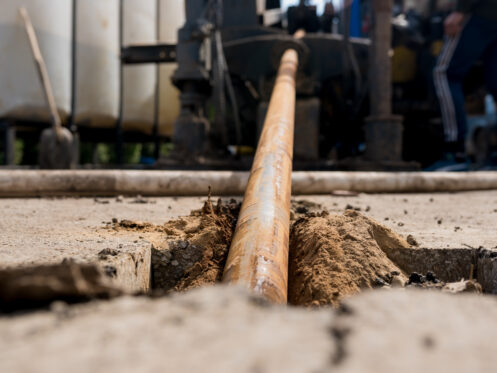
Sewer problems create stress fast. Homeowners want a solution that fixes the issue without tearing up their yard. Trenchless sewer repair has gained attention for that reason. It offers a cleaner, faster approach than traditional digging. Still, no method works in every situation.
What Trenchless Sewer Repair Does Well
Trenchless sewer repair stands out because it avoids large-scale excavation. Traditional sewer repair often requires digging long trenches across yards, driveways, and landscaping. That process creates a mess and adds restoration costs. Trenchless methods limit the disruption by working through small access points.
Speed also plays a major role. Most trenchless jobs take a day or two. Traditional sewer repairs can stretch across several days or longer, especially if crews encounter obstacles. A faster timeline reduces inconvenience and helps homeowners return to normal routines sooner.
Durability gives trenchless repair another advantage. Many trenchless methods use cured-in-place pipe lining or full pipe replacement through pipe bursting. In lining applications, the cured material creates a smooth interior surface that improves flow and helps reduce buildup over time. The new lining can last decades, making it a long-term solution. On the other hand, during pipe bursting, the replacement pipe is installed in place of the damaged one.
Environmental impact matters as well. Trenchless repair limits soil disruption and protects the surrounding structures. It reduces the need for heavy machinery and minimizes waste. Homeowners who want a more eco-conscious solution often prefer this approach.
Long-term savings often balance the initial investment. Trenchless sewer repair can cost more upfront. However, it avoids expenses associated with landscaping repairs, driveway replacement, and extended labor.
Where Trenchless Repair May Fall Short
Despite its advantages, trenchless sewer repair doesn’t fit every situation. One of the biggest limitations involves pipe condition. If a sewer line has fully collapsed, trenchless methods can’t restore it. The process relies on the existing pipe structure to guide the repair. Without that structure, the method will fail.
Severe misalignment presents another issue. Pipes that have shifted significantly may not support proper lining or bursting. If the new pipe can’t follow a stable path, the repair may not hold. In these cases, traditional excavation allows plumbers to correct the alignment issue before installing a new pipe.
Diameter reduction can also be a concern for homeowners. Trenchless lining methods add a new layer inside the existing pipe. That layer slightly reduces the internal diameter. In most residential systems, this change doesn’t affect performance. The smoother surface often improves flow enough to offset the difference. However, in systems that already struggle with capacity, even a small reduction may matter.
Upfront costs remain a common drawback. Trenchless repair requires specialized equipment and trained technicians. That expertise comes at a higher initial cost than some traditional repairs.
Finally, access points can limit the options. Trenchless repair requires entry points at the beginning and end of the damaged section. If those areas sit under structures or in difficult locations, the process becomes more complex. In some cases, limited access makes traditional excavation the more practical choice.
Understanding the Two Main Trenchless Methods
There are two primary methods of trenchless repairs. Each offers benefits and carries its own limitations.
Cured-in-place lining creates a new pipe inside the existing one without removing the original pipe. Plumbers insert a flexible resin-coated liner into the damaged pipe. They then inflate it and allow it to cure, forming a solid, seamless interior. This method works well for pipes with cracks, minor offsets, or damage from root intrusion. It restores the pipe’s structural integrity without removing it.
Pipe bursting replaces the old pipe completely by breaking it apart while pulling a new pipe into its place. This method works well when the pipe is badly damaged but still has a clear path for the new pipe to follow. It also helps homeowners avoid the diameter reduction associated with lining.
Each method requires specific conditions. Lining needs a relatively intact pipe. Pipe bursting requires space to pull through the new pipe and a clear path. A professional evaluation determines which option fits your particular situation.
When Trenchless Repair Makes the Most Sense
Trenchless repair works best when the existing pipe still holds its general shape. Professionals can often solve minor cracks and leaks with lining. Moderate damage that hasn’t led to collapse still allows for effective repair.
Properties with extensive landscaping benefit greatly from trenchless methods. Homeowners who want to protect trees, gardens, patios, or driveways often choose this method. It helps you avoid the need to restore those features after the repair.
Busy households also benefit from trenchless repairs. There’s a shorter timeline. Faster repairs reduce downtime and limit disruption to daily life. For families managing work, school, and other responsibilities, that convenience matters.
Older homes with aging sewer systems often qualify for trenchless repairs. Many of these systems suffer from corrosion or minor structural issues rather than a total failure. Trenchless methods can extend the life of these systems without major excavation.
When Traditional Sewer Repair May Be the Better Option
Certain conditions call for traditional excavation. For instance, fully collapsed pipes require complete replacement.
Severe misalignment or sagging, often called a “belly,” also limits trenchless options. These issues affect the pipe’s slope, which impacts drainage. Traditional repair allows plumbers to correct the grade and restore proper flow.
Extensive blockages caused by debris or long-term neglect may also require excavation. If plumbers can’t inspect or clear the pipe, trenchless repair may not be possible.
Budget constraints sometimes influence the decision as well. While trenchless repair offers long-term value, some homeowners need a lower upfront cost. In those cases, traditional repair may provide a more affordable solution. This is especially true if the sewer pipe doesn’t run under your driveway or structures like patios.
The Role of a Camera Inspection
A plumbing camera inspection provides the information needed to make the right choice. This process involves inserting a specialized camera into the sewer line. The camera captures real-time footage of the inside of the pipe’s condition.
Plumbers use this type of inspection to identify issues like cracks, misalignment, and pipe collapse. They can gauge the extent of the damage and determine whether the pipe is suitable for trenchless repair. Without this step, any recommendation would rely on guesswork.
A thorough inspection also helps homeowners understand the problem clearly. Seeing the condition of the pipe removes uncertainty and builds confidence in the decision. It ensures that the repair method matches the actual issue.
Explore Trenchless Pipe Repair
Trenchless sewer repair provides a modern solution to a common problem. It reduces disruption, speeds up repairs, and delivers long-lasting results. At the same time, it comes with limitations that homeowners need to understand. The right choice depends on the condition of your sewer line. At Baker & Sons Plumbing, we offer a range of plumbing and sewer services, including camera inspections and trenchless repair.
Contact Baker & Sons Plumbing right away to schedule a camera inspection in Marion, IL.